
Kvinde i stående nøgenhed - Friedrich Wilhelm Schadow | Kunsttryk Source: Tableau Femme nue debout - Friedrich Wilhelm Schadow | Reproduction


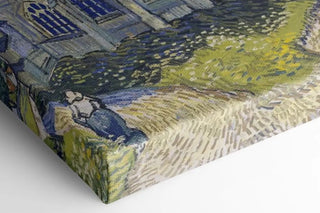
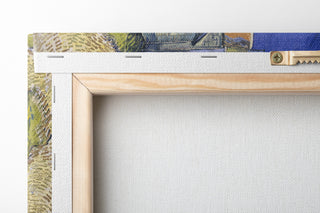
Bagfra set
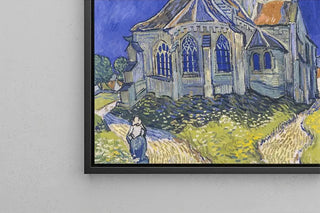
Ramme (valgfrit)
Friedrich Wilhelm Schadow's "Femme nue debout" is an iconic piece that embodies feminine beauty and grace through the lens of 19th-century German romanticism. This depiction of a woman, both vulnerable and powerful, invites viewers to contemplate the delicacy of human forms and the depth of emotions. The figure's posture, standing in a natural stance, evokes palpable intimacy. This painting, both sensual and contemplative, transcends mere representation to touch the very essence of the human condition. Immersed in an atmosphere of rêverie, the Kunsttryk encourages us to explore the nuances of the soul and the complexity of the feelings that inhabit it.
Style and uniqueness of the Kunsttryk
Schadow's style is distinguished by meticulous attention to detail and his ability to capture light and shadow subtly. In "Femme nue debout", every curve of the female body is highlighted by light plays that emphasize the texture of the skin and the fluidity of movement. The color palette chosen by the artist, though soft and harmonious, manages to infuse a vibrant life into the depicted figure. Schadow employs painting techniques that demonstrate his mastery, integrating elements of realism while maintaining an idealized dimension. This Kunsttryk also stands out for its psychological approach, where facial expression and body posture communicate complex emotions, making the figure almost alive. The viewer is invited to question the thoughts and feelings of this woman, creating a powerful emotional connection that transcends time.
The artist and his influence
Friedrich Wilhelm Schadow, born in 1789, is a major figure of the Romantic movement in Germany. His work was marked by an unceasing quest for ideal beauty, often inspired by mythology and nature. Schadow combined refined technique with an artistic sensitivity unique to him, influencing many artists of his time and subsequent generations. His training at the Berlin Academy of Fine Arts and his travels in Italy enriched his style, allowing him to incorporate elements
Kvinde i stående nøgenhed - Friedrich Wilhelm Schadow | Kunsttryk Source: Tableau Femme nue debout - Friedrich Wilhelm Schadow | Reproduction

-10% D fra 95€ i køb
-15% fra 195€ i køb
Almindelig pris
- Enhedspris
- par
Gratis levering
4,90€ / Gratis levering ved køb over 39€
Fortryllet eller pengene tilbage
Gratis returnering inden for 30 dage
10 års garanti
Vores tryk er garanteret i 10 år
Et spørgsmål? Vi er her!
via e-mail til contact@artemlegrand.com
TRINNENE I DIN BESTILLING

TRIN 1 - ORDRER AFGIVET
Din ordre er bekræftet, og vi går i gang med produktionen
TRIN 2 - FORSENDelse
Vi sender din ordre. Vi sender dig en e-mail for at følge fremskridtet

TRIN 3 - LEVERING
Du modtager din ordre. Du kan også efter eget valg blive leveret til en pakkeshop.
Mat finish
Bagfra set
Ramme (valgfrit)
Friedrich Wilhelm Schadow's "Femme nue debout" is an iconic piece that embodies feminine beauty and grace through the lens of 19th-century German romanticism. This depiction of a woman, both vulnerable and powerful, invites viewers to contemplate the delicacy of human forms and the depth of emotions. The figure's posture, standing in a natural stance, evokes palpable intimacy. This painting, both sensual and contemplative, transcends mere representation to touch the very essence of the human condition. Immersed in an atmosphere of rêverie, the Kunsttryk encourages us to explore the nuances of the soul and the complexity of the feelings that inhabit it.
Style and uniqueness of the Kunsttryk
Schadow's style is distinguished by meticulous attention to detail and his ability to capture light and shadow subtly. In "Femme nue debout", every curve of the female body is highlighted by light plays that emphasize the texture of the skin and the fluidity of movement. The color palette chosen by the artist, though soft and harmonious, manages to infuse a vibrant life into the depicted figure. Schadow employs painting techniques that demonstrate his mastery, integrating elements of realism while maintaining an idealized dimension. This Kunsttryk also stands out for its psychological approach, where facial expression and body posture communicate complex emotions, making the figure almost alive. The viewer is invited to question the thoughts and feelings of this woman, creating a powerful emotional connection that transcends time.
The artist and his influence
Friedrich Wilhelm Schadow, born in 1789, is a major figure of the Romantic movement in Germany. His work was marked by an unceasing quest for ideal beauty, often inspired by mythology and nature. Schadow combined refined technique with an artistic sensitivity unique to him, influencing many artists of his time and subsequent generations. His training at the Berlin Academy of Fine Arts and his travels in Italy enriched his style, allowing him to incorporate elements